Nevermind lah, see first. We just play by ear.
I want to see my product appear in the video… Here… here… and here….
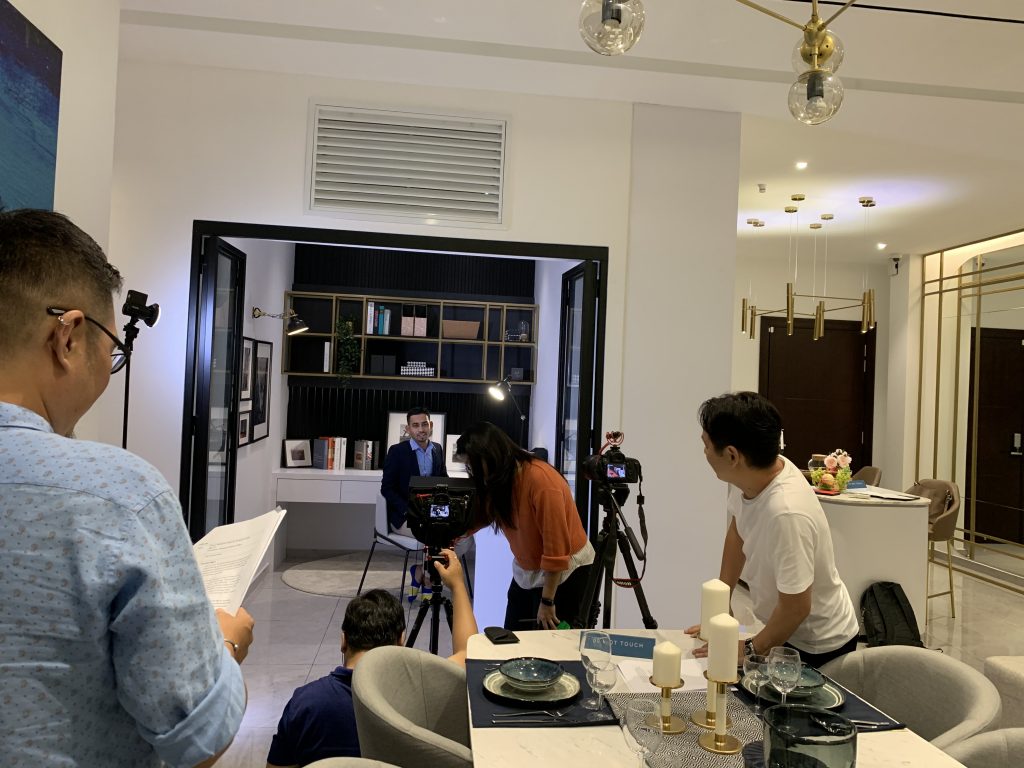
Everyone seems to think that video production is as simple as having an idea, then getting a camera out and just point and shoot, and voila the video is done.
The truth of the matter is that a lot of planning has to be done before you can even think of scheduling a shoot date!
As a professional video production crew, we will share some tips on the best practices of video production based on our previous experiences.
Don’t forget to check out our article on Why You Should Hire a Video Production Crew as well!
Best Practices for Video Production

- Know your goal
Every video has its purpose. Before deciding on the storyline and the script, you have to first identify the goal you are trying to achieve through this video.
- Is it for brand awareness?
- Are you trying to get people to sign up for your service?
- Do you wish to build trust towards your product?

- Understand who the video is meant for
Just as every video has its purpose, every video is meant for a particular group of the target audience. Consumers can learn about your brand at different stages in their consumer journey and may react differently to different types of brand videos.
For example, a new consumer may be more interested in a video about your brand’s values while an existing consumer might pay more attention to a new product release video.
With that said, you need to create a specific video for each consumer segment in order to increase the relatability for your viewers.

- Set a realistic budget
Your video production budget has to be in line with the goal that you are trying to achieve. If you are only willing to fork out a couple of thousand ringgit, then you must not expect a commercial-standard video.
When it comes to setting the budget, you have to take into consideration factors such as shooting locations, production crew, equipment, talents, video duration, travel expenses and post-production costs.
Drafting a video production brief helps tremendously to outline your goals and requirements so that the production team can quote you based on the brief.
- Storyboard
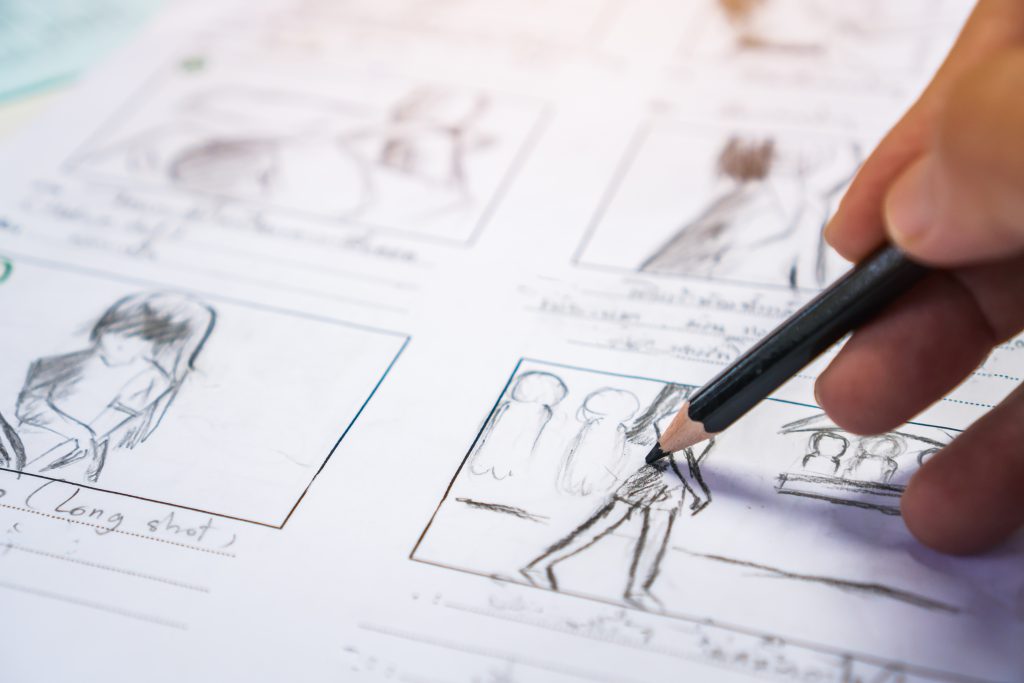
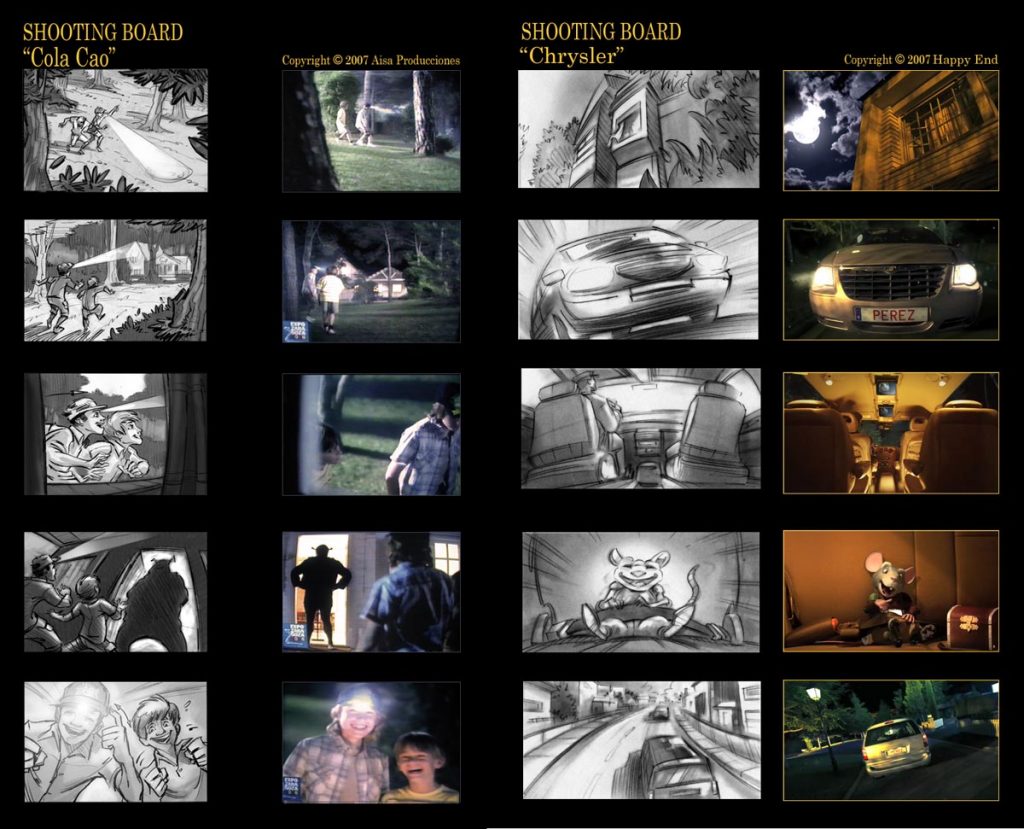
If you think that you can visualize the scene in your head and rely on your memory to determine the camera angles and shots on the actual shoot day, think again. Even the best directors still acknowledge the importance of storyboards.
Storyboards don’t have to be super artistic or complicated. There are online softwares that can help even the least talented artists to craft a simple storyboard that answers key questions such as:
- Where will the camera be?
- Which direction will the light come from?
- What are the props that need to be included in the shot?
- How will this shot be framed?
If your storyboard can answer these questions, then you’re set! Now you are prepared for the next step in pre-production planning.
- Shot List
How is a shot list different from a storyboard? You can think of the shot list as a detailed breakdown of the storyboard. These are some of the details that should be included in the shot list:
- Scene number
- Shot number
- Time allocation for each shot
- Location (interior or exterior)
- Shot description (wide shot, long shot or medium shot, camera angles etc.)
- Actors involved
- Audio (live audio or voiceover)
Having a shot list will help you save a bunch of time during shoot and keep everyone on schedule!
- Production Schedule
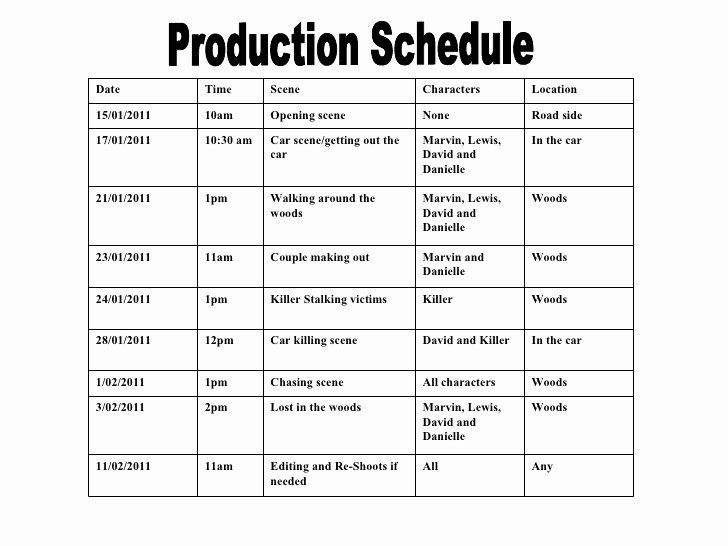
When a production involves a large number of people and requires multiple shoot locations, it is essential for you to prepare a production schedule.
A production schedule includes details such as location, date, call time, people needed, list of equipment to bring, talents involved and contact info of the person in charge. This schedule will keep everybody informed, from the crew to the talents so that everybody knows when they should get ready and where they should be.
Not having a production schedule might lead to crew members or even talents missing on the day when their presence is needed and affect the entire production while incurring extra costs.

- Recce
Recce aka location scouting is one of the most important steps in pre-production planning. Typically, recce will be conducted by the technical team to determine the feasibility of the shots within the location.
Some best practice includes having backup locations to shoot indoor scenes in case of bad weather. Conducting location recce also allows you to identify where the sun rises and sets so that the lighting team can prepare for the suitable equipment and lightning arrangement. Directors of photography usually test out their shots during recce to get the optimum angle for their shots.
Recce is also important for logistical reasons such as finding out the suitable parking spots, locating where the toilets are, as well as identifying possible hazards. A professional production team has to take care of not only the visuals shot on screen, but also the people who are working behind the scenes!
- Talent Casting
Apart from having the best gears and the most competent production crew, talents are also an important part of every production. It is also best practice to begin casting early so that the most suitable talent can be discovered and hired. Settling for talents is one of the biggest mistakes that can be done by any production team. The main purpose of conducting a talent casting session is to test out the talent’s ability to take direction and
get into different characters. Improvising on set is extremely costly and clients will definitely not be happy with the amount of time wasted on unprofessional talents!
There you have it! 8 steps to help you plan your pre-production schedule before embarking on your next video production!
If you would rather leave all the hard work to a video production crew, we are here to offer you our best services! Contact us for more details.